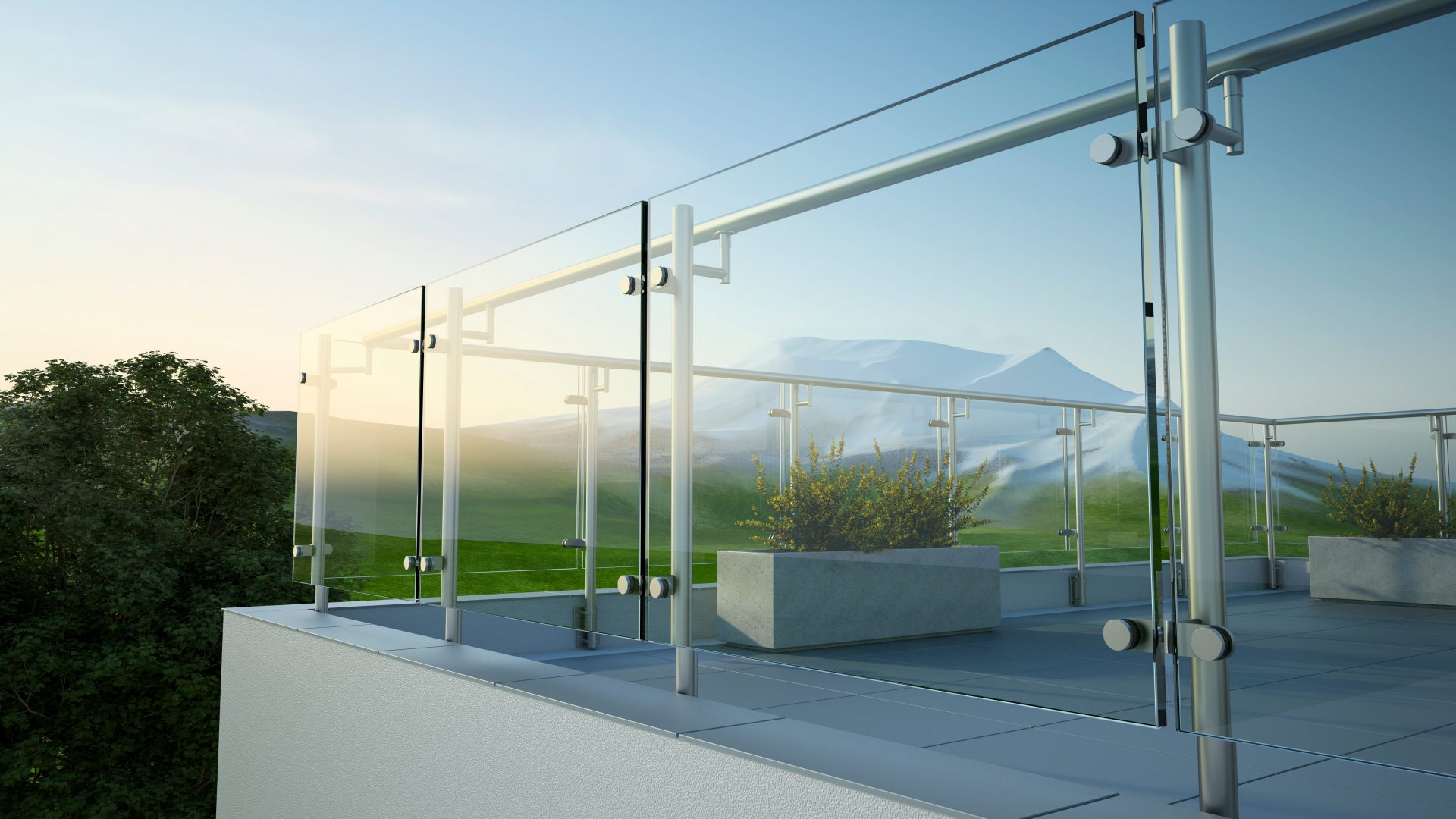
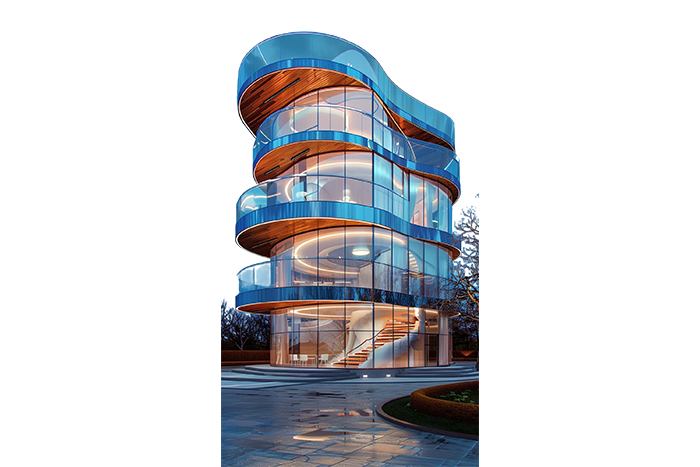
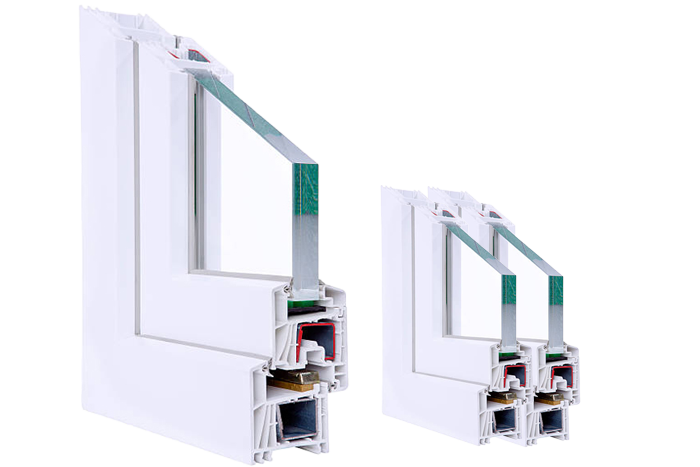
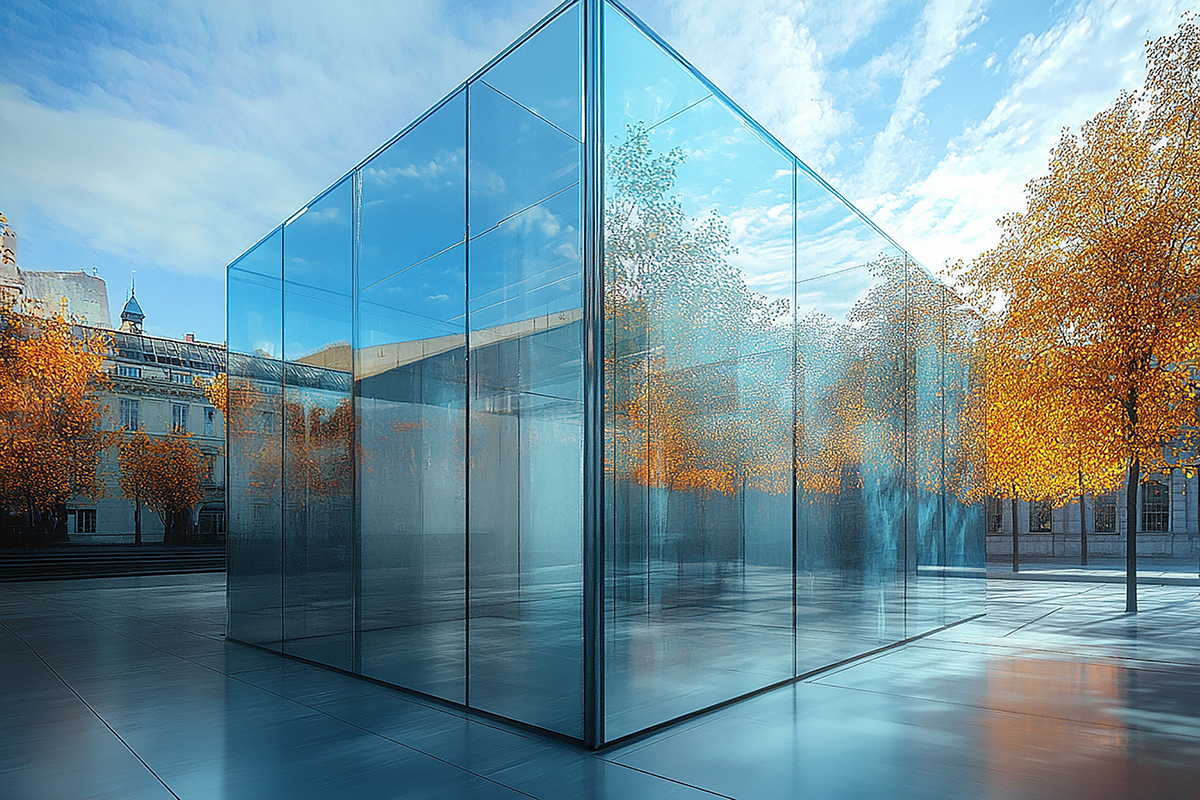
Curved glass manufacturing technology is a process that involves heating glass and shaping it in a controlled manner to give it a curved form. This technology allows glass to have curved surfaces that meet both aesthetic and functional requirements. Curved glass is commonly used in architectural projects, the automotive industry, furniture design, and decorative glass applications.
The production process of curved glass involves the following steps:
Heating: In the first step, flat glass is heated to high temperatures (around 600-700°C) in a specially designed furnace. At this stage, the glass becomes soft and malleable.
Shaping: The softened glass is placed in a pre-designed mold inside the furnace. Under the effect of gravity or mechanical pressure, the glass takes on the shape of the mold. During this process, the desired curvature and bend are achieved.
Cooling: After the glass has taken its final form, it is slowly cooled down. This step is crucial to stabilize the glass and ensure the shape is maintained. Additionally, controlled cooling helps to minimize any tension that could form on the surface of the glass.
Additional Processes: After the curved glass is produced, it may undergo additional processes such as tempering, laminating, or coating, depending on the application. These processes make the glass more resistant to impacts and external factors.
In curved glass production, precision and quality control are key factors. These glasses can be produced with various angles and curvatures, offering tailored solutions for specific project requirements.